


The problem
Forests are being destroyed at an alarming rate around the world, and West Africa is no exception. Human exploitation (timber, fuelwood), conversion of forests to agricultural land, and forest clearing are causing a loss of 40,000 hectares per year in Senegal, according to the FAO. In rural areas, 86% of households use traditional three-stone stoves. These stoves are very inefficient in terms of energy use given the volume of wood they consume. We propose replacing them with improved stoves.
Our solution
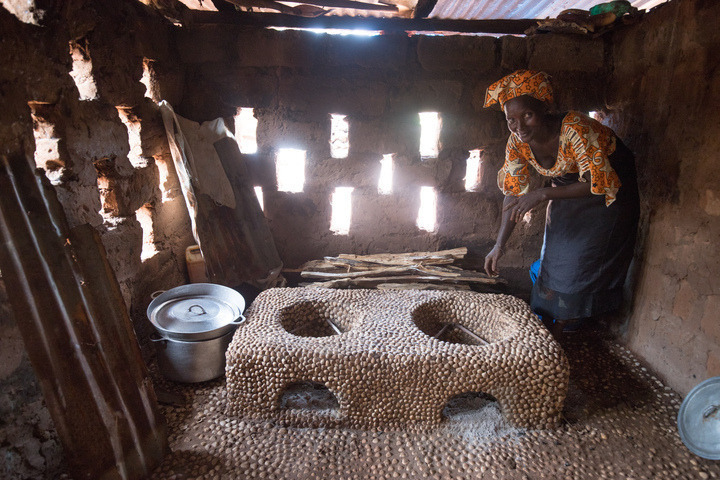
An improved stove is a cooking device that channels the heat produced by burning wood to the pot. This stove provides high energy efficiency due to better heat transfer to the pot by convection and radiation than a three-stone stove. It saves 40 to 50% of wood. *Energy efficiency has been assessed by specialists at the National Center for Research on Renewable Energy (CERER). It is produced from local raw materials (earth, straw, and cow dung), which are available in large quantities. This type of stove has the following advantages: durability, ease of use, and ease of maintenance, among others.
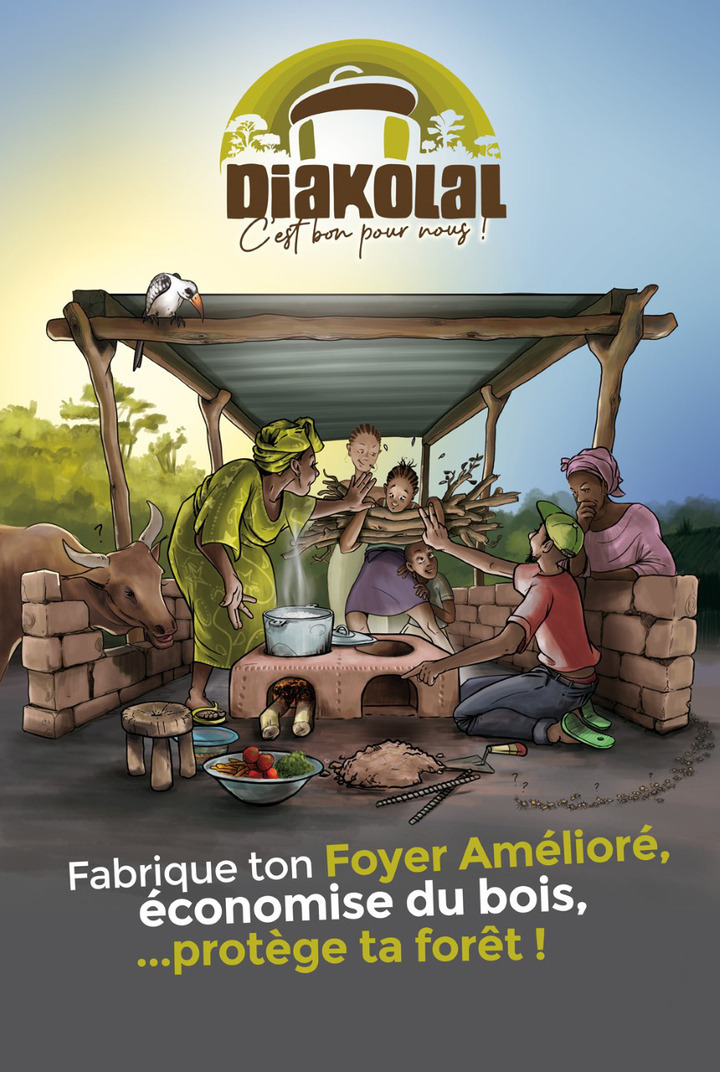
The many advantages of the improved stove
• Reduces pressure on forests and soil
• Reduces the time spent cooking and searching for wood
• Creates 50 green jobs for facilitators to build them
• Reduces household expenses
• Increases women's free time for child-rearing and income-generating activities
• Reduces smoke, fires, and burn accidents
• Reduces respiratory diseases
Our next goal: to build 500 improved stoves in 3 months
Now more than ever, we need your contribution.
Our method
Our project implementation methodology has been tested and proven. It is based on a labor-intensive organization with low technology and fossil fuel use. Social engineering is at the heart of the project.
Budget
The projected budget for the project is €25,000, or €50 per improved stove. This amount includes the three-month “project implementation” phase and the 10-year “project monitoring” phase.
Most of the expenditure is for labor. More than 50 facilitators are paid to manufacture the stoves. They are supervised by 23 area managers and a management team of seven people. Logistical resources are also needed, such as vehicles for coordination purposes.
Who are we?
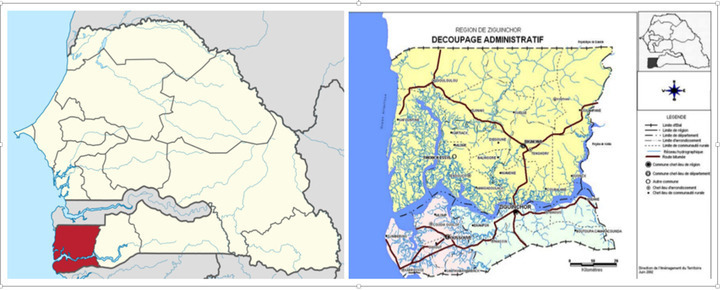
The project will be led by our association, Diakolal. Diakolal means “it's good for us” in the Diola language, a community that is well represented in the Ziguinchor region. The NGO has experience in the promotion, conservation, and sustainable management of ecosystems and sustainable development. We have already built 3,000 homes in 2024, but demand remains high.
Construction
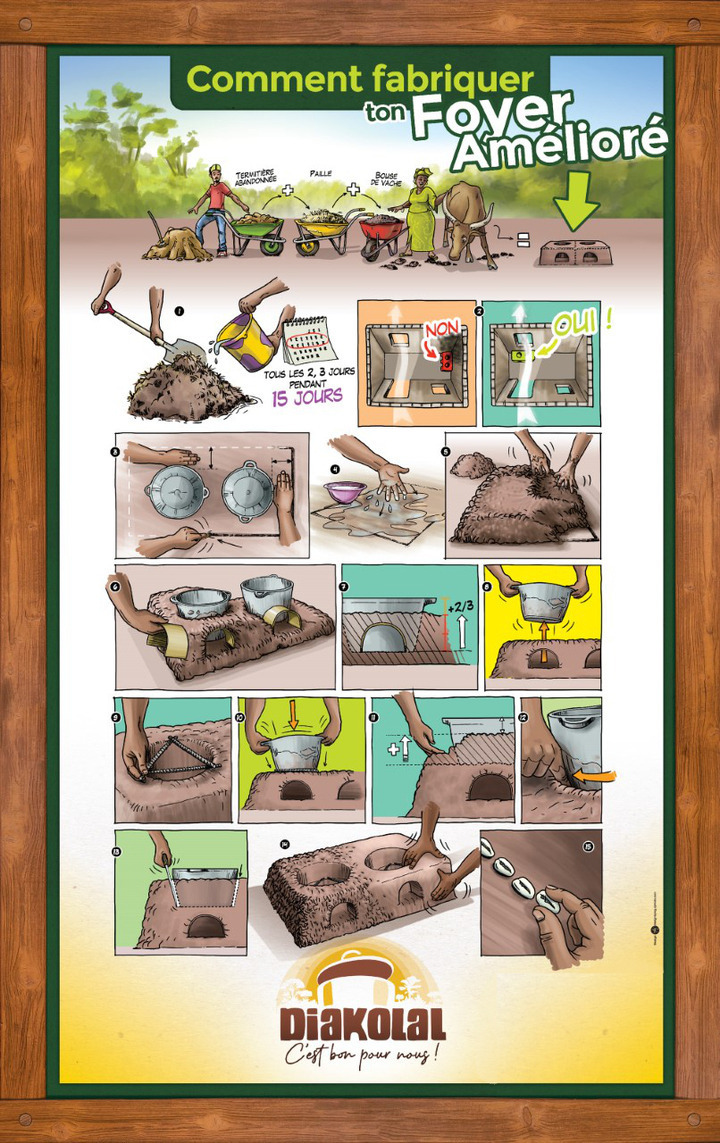
The Diakolal stove takes about 30 days to build and requires collaboration between the household and the field agent. Households are responsible for collecting the raw materials needed to build the stove (cow dung, straw, and termite mound soil). This activity takes about half a day, as the materials can be found around the villages. In some cases, where cow dung is difficult to find and to avoid delaying the implementation phase, the area manager will provide it on a case-by-case basis (for example, some villages do not have herds in the immediate vicinity of their land).
Once these local materials have been gathered next to the kitchen/place where the stove will be built, the field agent mixes them with the help of the household. The household is then responsible for mixing the mixture for 14 days. Field agents must follow up with the household during these 14 days, visiting them weekly.
At the end of the mixing process, the field agent returns to the household to build the stove. As the mixture is already on site, the field agent only needs to bring the metal parts provided by the project. Construction is a physical activity that takes half a day. Before being used by the household, the stove must dry for two weeks. Once the stove is finished and ready for use, the area manager checks that it has been built correctly, places a GPS point, and takes a photo of the stove with the beneficiaries.
Bonus
Improved stoves contribute to the fight against climate change. Each stove built and used for 10 years prevents 18 tons of CO2 from being emitted into the atmosphere. This is equivalent to the annual emissions of two Europeans. Of course, the aim is not to offset emissions in order to obtain the right to pollute, but rather to adopt a more comprehensive eco-responsible and resilient approach. Like the hummingbird in the Native American legend, everyone does their part and contributes to the best of their ability.